


Local expertise, national impact: Aspen Medical’s role in delivering care where it’s needed most
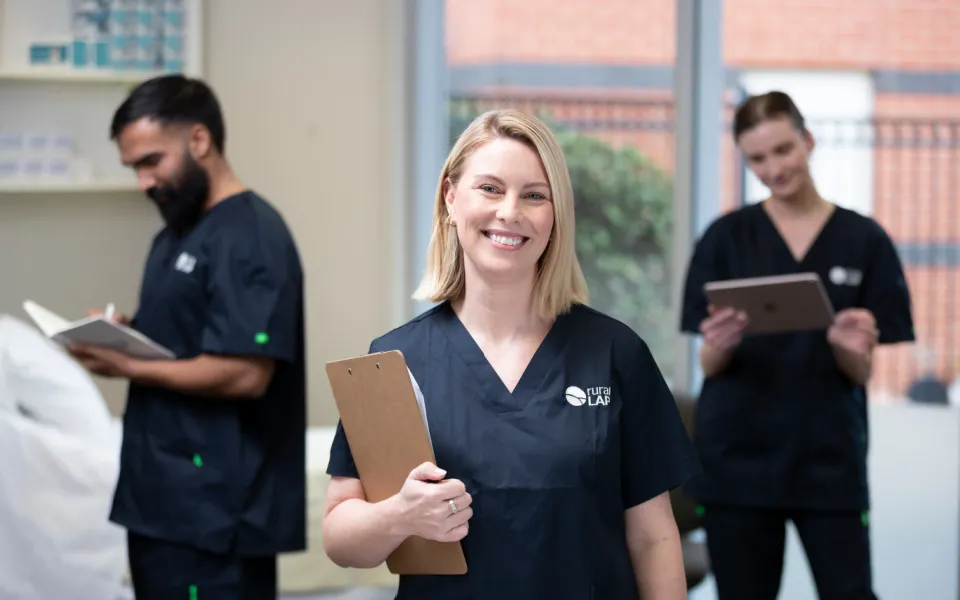
In the furthest reaches of the country, where accessing healthcare can mean taking a plane, a ferry and a four-wheel drive, Aspen Medical is making sure that no Australian is left behind.
As the Australian Government’s delivery partner for two national locum programs, Aspen Medical plays a crucial role in supporting healthcare services in communities facing critical workforce shortages. With a deep commitment to clinical quality, cultural safety and operational agility, the company has become a trusted provider of healthcare solutions in rural and remote Australia.
Keeping healthcare services running across Australia
Aspen Medical is responsible for delivering the Northern Territory Remote Locum Program (NTRLP) and the Rural Locum Assistance Program (Rural LAP). These programs are designed to ensure that health services can continue operating when permanent staff are on leave or when vacancies occur. The communities supported through these programs are often in hard-to-access locations and face persistent challenges in attracting and retaining clinical staff.
Aspen Medical recruits and deploys fully credentialed doctors, nurses, midwives and allied health professionals to cover these shortfalls. This not only prevents service disruptions but also provides much-needed relief to existing clinical teams, reducing burnout and helping to maintain quality of care.
“Every Australian should be able to see a health professional when they need to,” says Jessica Andrew, Director – Locum Programs at Aspen Medical.
“Our job is to make that possible, especially in communities where recruitment and retention remain long-standing challenges.”
In recent years, Aspen Medical has coordinated thousands of locum placements across every state and territory. These placements range from emergency support in single-clinician clinics to structured rotations in regional hospitals. The aim is always the same: deliver safe, high-quality care with minimal disruption to the community.
“We work closely with health services and clinicians to ensure every placement is a good fit,” says Andrew.
“That includes clinical capability, cultural awareness and practical logistics. It’s a full-service model designed to make things easy for the health service and effective for the patient.”
End-to-end capability, tailored to complex environments
Delivering care in remote and rural Australia is about more than filling rosters. It requires systems that are designed for complexity, flexibility and continuity. Aspen Medical’s model includes:
- clinician recruitment and credentialing
- placement coordination and logistics
- travel and accommodation management
- clinical governance and 24/7 support
- cultural safety training and community briefings
- post-placement feedback and quality improvement.
These services are managed by a dedicated national team that works closely with health authorities, Aboriginal Medical Services, local councils and other key stakeholders. Every placement is backed by a risk and quality framework that meets the highest standards of patient care and clinician safety.
This is not agency staffing. This is a coordinated, government-backed program delivered by a company that understands what is required in the field and what success looks like for each community.
A workforce that’s ready, responsive and respectful
Aspen Medical draws on a pool of highly skilled clinicians who are motivated by more than just a pay cheque. Many of them have years of experience in rural and remote settings. Others are early-career clinicians looking to build capability while making a meaningful contribution. All are screened, briefed and supported throughout their placement.
The company also invests in building cultural capability and community readiness. This includes training in cultural safety, understanding local health priorities, and working with First Nations health services to ensure that care is delivered in a respectful and inclusive way.
“Cultural safety is not just a checkbox. It’s critical to delivering effective care and earning the trust of the communities we serve,” says Andrew.
By taking a people-first approach, Aspen Medical helps to reduce clinical risk, improve patient outcomes and build local confidence in the healthcare system. This is especially important in areas where health services have struggled with high turnover or inconsistent service levels.
National experience, including Defence
While its primary focus is on rural and remote civilian care, Aspen Medical has also delivered healthcare to a Defence population of more than 80,000 personnel at over 50 Australian Defence Force bases around the country. These services have included primary healthcare, dental, allied health and support services.
This experience reinforces Aspen Medical’s capability in providing care within structured, logistically complex and high-stakes environments. Many of the same requirements exist across Defence and remote civilian settings: reliable coverage, workforce readiness, rapid deployment, and adherence to clinical governance protocols.
Aspen Medical’s experience in Defence is consistent with its broader role as a trusted healthcare delivery partner to government. It reflects the organisation’s capacity to adapt to different operational contexts while maintaining a consistent standard of care.
More than service continuity, long-term community impact
The real value of programs like NTRLP and Rural LAP is not just keeping the doors open. It’s the long-term benefit to community wellbeing, workforce retention and public trust. When care is consistent, communities are more likely to engage with their local health service, leading to better health outcomes.
Aspen Medical’s role also extends to supporting the sustainability of rural health services. By helping avoid burnout and providing predictable staffing support, the company enables permanent staff to take leave, undertake training or simply recharge. This contributes to a stronger and more resilient rural health workforce over time.
In one example, Aspen Medical worked with a regional health service in Far North Queensland to develop a rotational placement model that ensured continuous allied health coverage across three towns. The model allowed the service to maintain continuity of care while managing limited workforce resources. It also helped reduce staff turnover and improved access to care for children and families.
“These aren’t one-off solutions. They are part of a broader commitment to strengthening rural health,” says Andrew.
“We are here to partner, not just place people.”
A reliable partner for government
Aspen Medical’s work on NTRLP and Rural LAP is backed by two decades of experience supporting government at local, state and national levels. The company’s strength lies in its ability to deliver healthcare solutions that are tailored, accountable and aligned with public sector expectations.
For senior officials responsible for rural health policy, workforce planning or service continuity, Aspen Medical offers a scalable, proven model that can adapt to changing needs. Whether it’s supporting locum coverage, responding to an emergency or designing flexible workforce solutions, Aspen Medical delivers with professionalism and purpose.