


Healthcare at the edge of the world: supporting science aboard an ocean research vessel
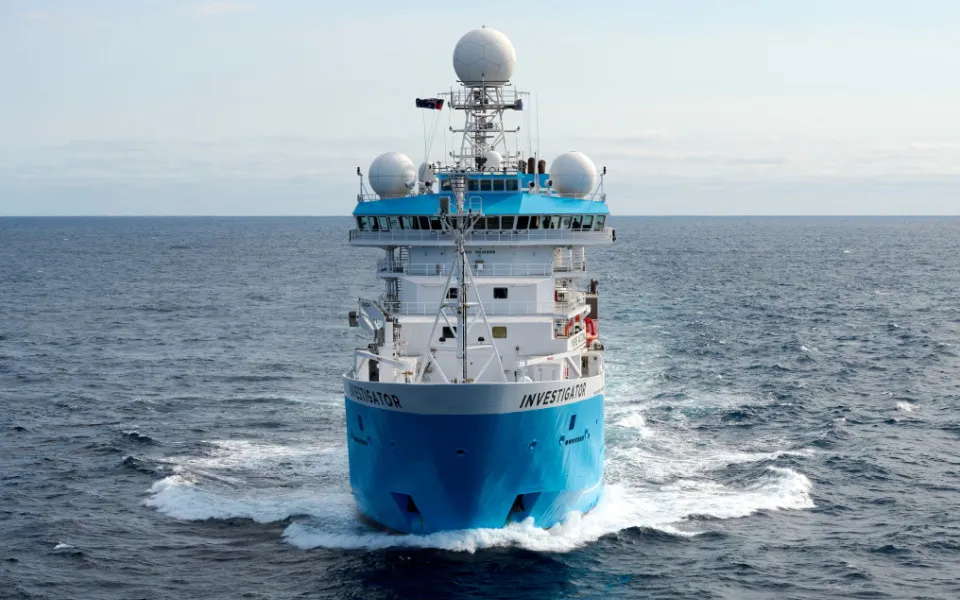
For 56 days in some of the most remote waters on Earth, Aspen Medical supported the crew, technical specialists and scientists aboard CSIRO research vessel (RV) Investigator as they undertook groundbreaking Antarctic research.
Led by the University of Tasmania’s Institute for Marine and Antarctic Studies (IMAS), the voyage was exploring the Cook Ice Shelf marine region in East Antarctica – a globally significant but little-studied environment. Whilst the scientific mission was focused on unlocking new knowledge about Antarctica, Aspen Medical's role was to ensure the people conducting that research remained healthy, safe and mission ready.
For Dr Gary Mitchell and paramedic Wayne McKenna, providing healthcare aboard a research vessel at sea is a unique blend of clinical care, prevention, preparedness and community building.
Healthcare in a truly remote environment
Operating hundreds of kilometres from the nearest healthcare facility requires a different mindset. While the clinical team manages many of the same health concerns seen in everyday practice, prevention and early intervention are critical.
"Most of the things we deal with on the ship are just your average general practice issues that come up. You know, people got their sore toes or their sore tummies or their other things that they normally come to the doctor with," said Dr Mitchell.
The day begins well before breakfast, with the clinical team reviewing the previous 24 hours and preparing for the day ahead.
"Wayne and I get up before then, we open the clinic, send a report to the master of the previous 24 hours activities, if there's anything relevant," Dr Mitchell said.
Throughout the voyage, the team works closely with crew and scientists, making themselves visible and accessible.
"Breakfast is a good time to touch base with the morning shift," Dr Mitchell said.
"And around breakfast, that's where we get most of our workflow for the day. People tap us on the shoulder, say, can I catch up with you in the clinic? I've got this or that."
The proactive approach continues well beyond the clinic walls.
"We do a ward around the ship," Dr Mitchell explained. "We go through all the various labs and areas of the ship that we can access and just touch base with people in a pretty friendly way, make sure there's nothing that we can be of assistance with."
Capability where it matters most
Delivering healthcare in remote environments requires more than clinical expertise. It also demands the right equipment, systems and preparation.
The onboard medical facilities enable the team to assess, diagnose and manage a wide range of health issues while at sea.
"We've got a state-of-the-art X-ray facility machine, we've got blood taking equipment as well, i-STAT machines," McKenna said.
Supporting people and performance
Life aboard a research vessel is demanding. Crew and scientists work long shifts, often in challenging weather conditions, while living and working in close quarters for weeks at a time.
For Aspen Medical, supporting wellbeing is just as important as treating illness.
"I think the average day runs around mealtimes, like pretty much everybody's life," Dr Mitchell said. "Especially on a ship, everything is around what comes out of the mess."
In addition to clinical care, the team helps foster a positive onboard culture through exercise, social activities and informal interactions.
"Straight after breakfast for me, I run a ukulele group on the ship," Dr Mitchell said.
"So straight up breakfast for the scientists, we play music for about half an hour. I could say it's from morale, mainly for the doctor, but it's great fun!"
The team also runs regular exercise sessions when conditions allow.
"There's an exercise group that we run in the evenings on the deck if the weather's not too bad," Dr Mitchell said.
Part of the mission
By embedding within the voyage community, the team gains a deeper understanding of the work being undertaken and the unique challenges faced by those on board.
“We try and spend an hour or two joining one of the science teams that are doing various things," Dr Mitchell said.
Whether supporting wellbeing, maintaining readiness or helping create a positive onboard environment, the mission reflects Aspen Medical's broader capability in delivering healthcare in some of the world's most remote and complex locations.
Remote. Complex. Isolated. It's what we do.