


Aspen Medical: Building emergency blood transfusion capability in challenging environments
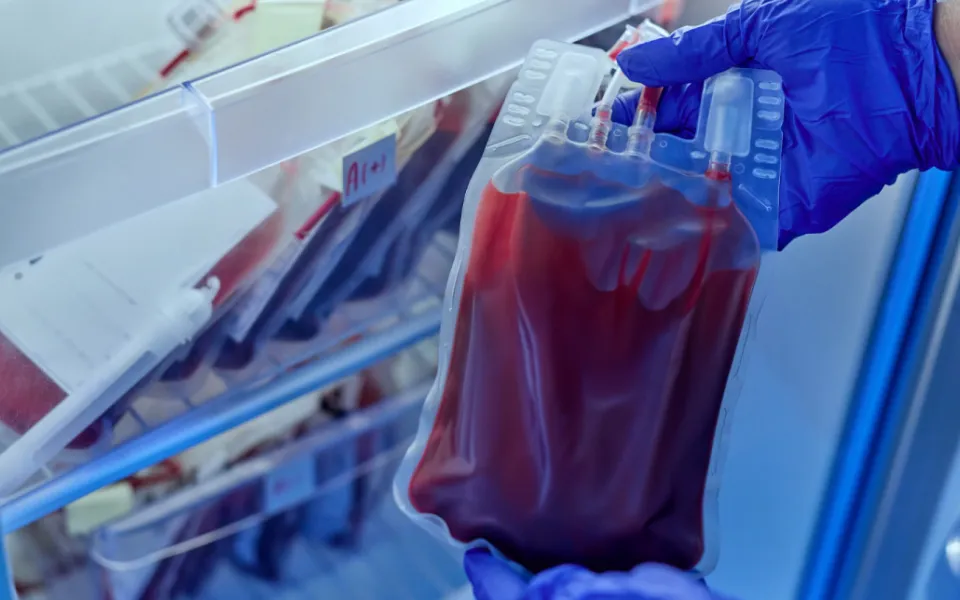
In trauma care, time is critical. When a patient is experiencing severe blood loss, rapid access to blood transfusion can mean the difference between life and death.
But what happens when healthcare teams are working in an environment where traditional blood supply chains are fragile or unavailable?
A recent paper published in the European Journal of Trauma and Emergency Surgery examines how Aspen Medical clinicians and partners addressed this challenge while supporting the Multinational Security Support Mission in Haiti. Drawing on operational experience in a deployed field hospital, the paper outlines the development of a multinational walking blood bank capable of delivering fresh whole blood in emergencies.
The initiative was implemented at an Aspen Medical Role II field hospital in Port-au-Prince. The facility provided damage control resuscitation and surgical care for multinational mission personnel, Haitian National Police and other partners operating in an increasingly unstable security environment.
Maintaining a reliable blood supply quickly became a critical challenge. Civil unrest disrupted commercial flights into Haiti, while strict temperature and storage requirements made transporting blood products difficult. These constraints highlighted the need for a more resilient solution.
The clinical team established a walking blood bank using pre-screened volunteer donors from the multinational personnel deployed on the mission. Donors were tested for blood type and screened for infectious diseases, ensuring that blood could be collected safely and rapidly when required.
Regular drills demonstrated that fresh whole blood could be collected and prepared within 45 to 55 minutes of activating the walking blood bank. This capability is particularly important in trauma care, where early transfusion significantly improves survival outcomes.
Developing the system required coordination across multiple operational and clinical considerations. The team implemented protocols for donor eligibility, infectious disease testing, blood storage and regulatory compliance. They also addressed cultural and language differences within the multinational donor pool through education and engagement.
Several important lessons emerged from the experience:
- Preparation and regular training ensure rapid activation in emergencies
- Strong clinical governance maintains safety even in austere settings
- Multinational cooperation expands donor availability and operational resilience
- Flexible medical systems improve trauma response when supply chains are disrupted.
While walking blood banks are not intended to replace established blood banking systems, they offer a practical and effective option in remote, disaster or conflict environments.
The work undertaken in Haiti demonstrates how Aspen Medical combines clinical expertise, operational planning and international collaboration to deliver advanced healthcare capabilities in some of the world’s most challenging settings.
The above article is a synopsis of the original article: Jacquez, R.A., Gimpelson, A.J., Llera, B. et al. Establishing a multinational walking blood bank in Haiti: operational, regulatory, and cultural lessons from the MSSM mission. Eur J Trauma Emerg Surg52, 73 (2026). https://doi.org/10.1007/s00068-026-03118-3